A high radon result means you have a clear next step. Use this site to understand what the number means and request contact from a radon mitigation provider serving your Central Pennsylvania county.
EPA action level: 4.0 pCi/L. Pennsylvania DEP recommends confirming an elevated result and fixing the home if it stays at or above 4 pCi/L. Between 2–4 pCi/L, EPA recommends considering mitigation.
Request a Callback
A provider serving your county will follow up directly.
~40% of tested PA homes are above 4 pCi/LPennsylvania DEP says elevated radon is a serious statewide issue.
4 pCi/L = EPA action levelEPA also recommends considering mitigation between 2 and 4 pCi/L.
PA certification is requiredVerify the mitigator in the current Pennsylvania DEP directory.
Most installations take less than a dayPA DEP recommends follow-up testing after installation.
What Your Number Means
Your radon result is a decision point — not a diagnosis
A number on a test tells you action level. It does not tell you which system your home needs, how many suction points, or what it will cost.
<2
Lower result
No known safe level of radon exists. Continue periodic testing, especially after major changes to the home's foundation or HVAC.
2–4
Consider mitigation
EPA recommends seriously considering mitigation in this range. Risk exists below the action level — fixing a home in this range is reasonable and relatively low cost.
4+
Fix the home
EPA recommends fixing. PA DEP advises confirming an elevated result and taking corrective action if it remains at or above 4 pCi/L. Don't wait on this one.
From high test to system installed — what to expect
01 — CONFIRM
Verify the result when needed
For an initial short-term test at or above 4 pCi/L, EPA and PA DEP guidance describes confirmation options before deciding on a system. Some situations — a home sale, very high results — warrant moving directly to installation.
02 — EVALUATE
Site walkthrough by the provider
A certified mitigator assesses your foundation areas, sump or crawl-space conditions, pressure field, routing options, and electrical access. This determines scope and price.
03 — INSTALL
System goes in — usually one day
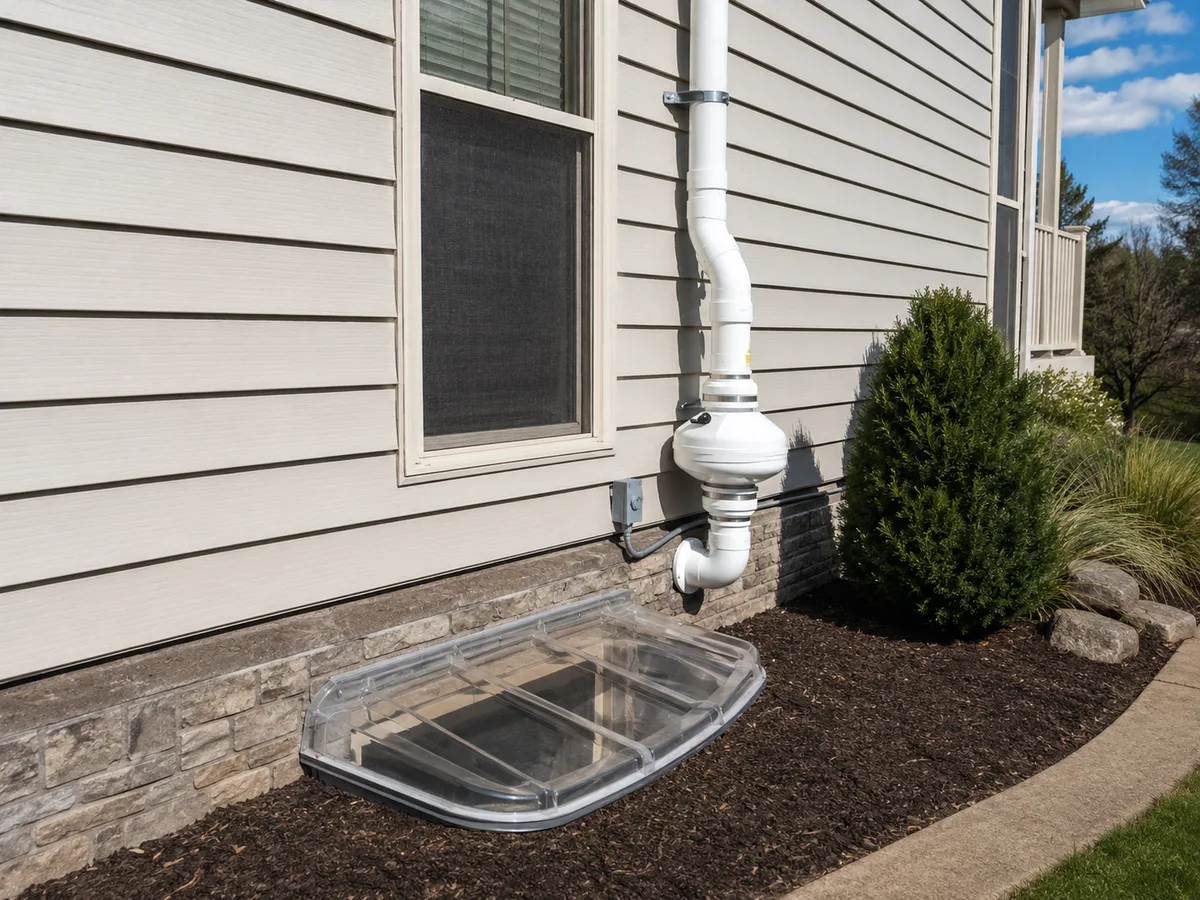
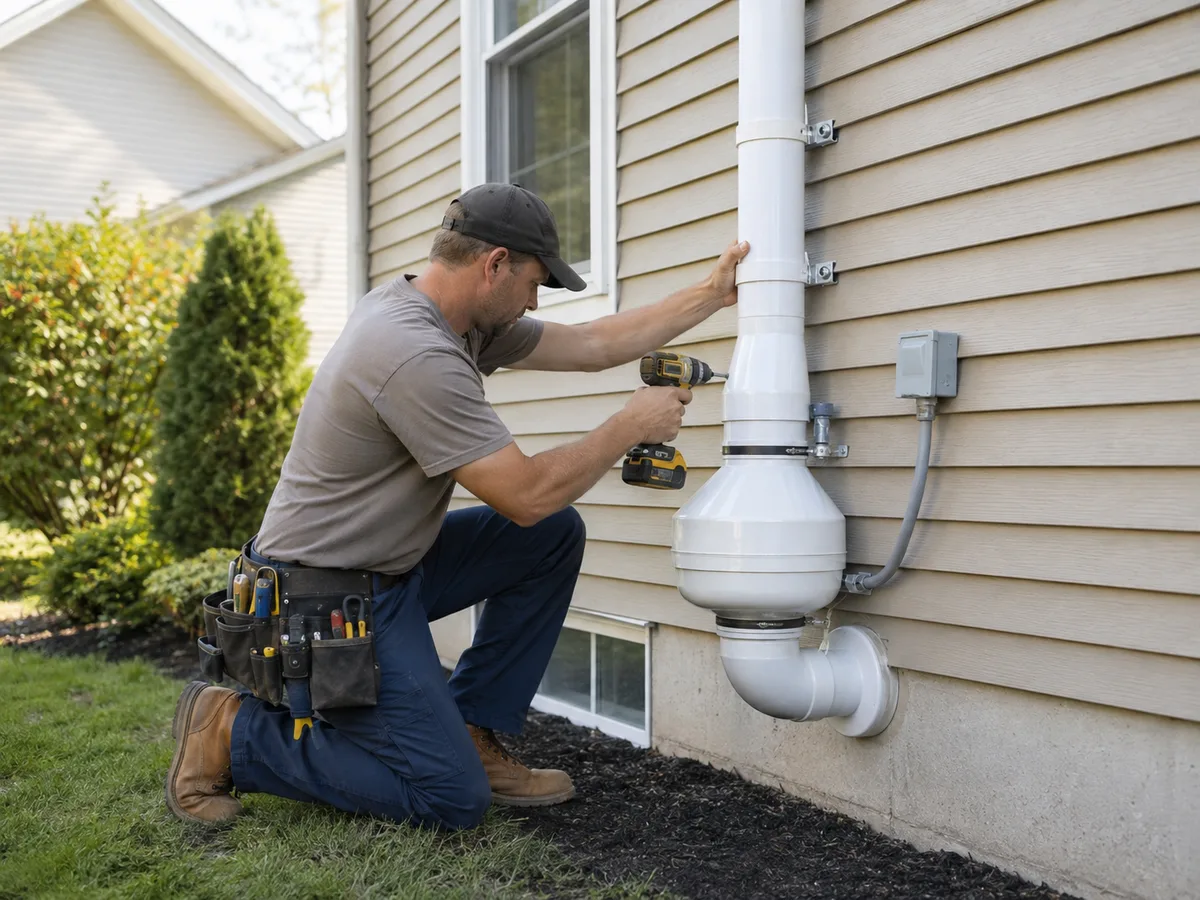
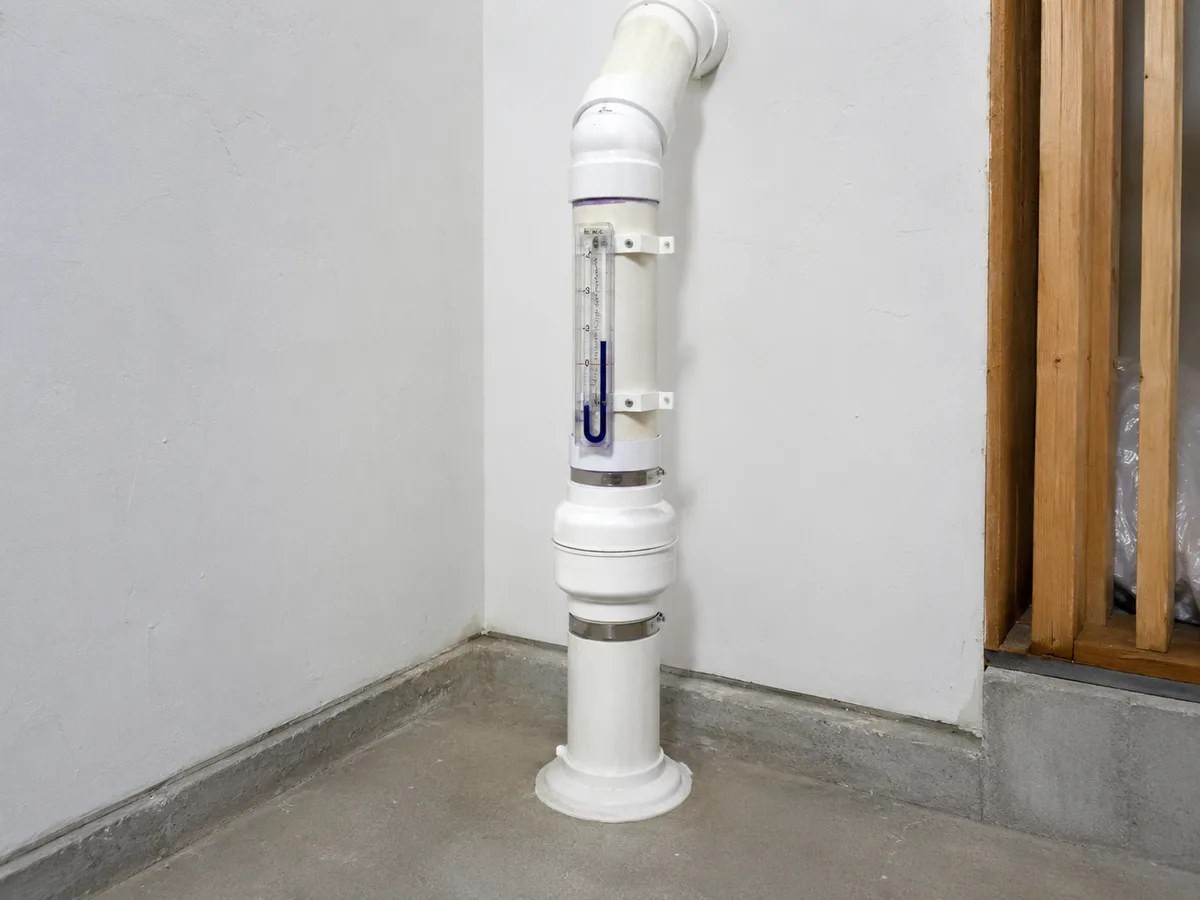
Active soil depressurization creates negative pressure beneath the home so radon-bearing soil gas is pulled into piping and discharged outdoors — above the roof, away from windows and entries.
04 — TEST AGAIN
Confirm the system is working
PA DEP says run the system for at least 24 hours before retesting. EPA recommends ongoing periodic retesting after installation to confirm long-term performance.
What Goes Into a Quote
The price depends on the home, not just the radon number
Two homes with the exact same radon level can have very different mitigation scopes. A provider needs to see the foundation, routing options, and existing conditions before pricing anything accurately.
Foundation type — basement, slab, crawl space, or combination
Whether the lowest level is finished or unfinished
Presence of a sump pit, passive radon pipe, or existing rough-in
Number of pressure zones (affects suction points and fan sizing)
Pipe routing path and exterior discharge location
Any crawl space membrane needs
Home sale or deadline timing that affects scheduling
Service Area
Six counties. Every major community served.
Select your county for a dedicated page with local radon context, a full town list, quote checklist, and PA DEP resources.
Already have a mitigation system? You can still request help.
EPA says radon reduction systems need occasional maintenance. Fans may eventually need repair or replacement, warning devices should be checked, and periodic retesting helps confirm the system is still keeping radon levels low.
Fan repair or replacementFor a fan that stopped, became unusually noisy, or is no longer operating as expected.
System performance checkFor warning-device changes or concerns about airflow and suction.
Elevated retestFor a home that already has a system but is testing high again.
At or above 4 pCi/L, EPA recommends fixing the home. Radon risk comes from long-term exposure, so the practical next step is to confirm the result when appropriate and speak with a qualified mitigator rather than ignoring the result.
Cost varies with the size and design of the home, foundation type, suction points, pipe routing, and the reduction method needed. EPA recommends getting an estimate from one or more qualified radon mitigation contractors rather than relying on a generic price range.
Pennsylvania DEP says installation of a typical radon reduction system should take less than a day. More complex foundations or routing can affect the actual schedule. After installation, follow-up testing is important to confirm the radon level has been reduced.
Pennsylvania requires DEP certification for professionals performing radon mitigation unless an exemption applies. Verify current certification in the PA DEP Radon Services Directory before hiring a provider.
Not reliably. Radon levels can vary dramatically from one house to the next — even on the same street, with the same floor plan. Foundation construction, soil conditions, internal air pressure, and HVAC all play a role. Your test result is the only reliable data point for your home.
The more detail you give upfront, the more useful the first conversation. Helpful specifics: your radon result and test type (short-term or long-term), foundation type, whether the basement is finished or unfinished, whether you have a sump pit or an existing passive radon pipe, your town and address, and any deadline such as a home sale closing date.
Yes. A request can be for fan repair or replacement, a warning-device concern, unusual system noise, or an elevated retest. EPA notes that radon reduction systems need occasional maintenance and that fans may eventually need repair or replacement.